

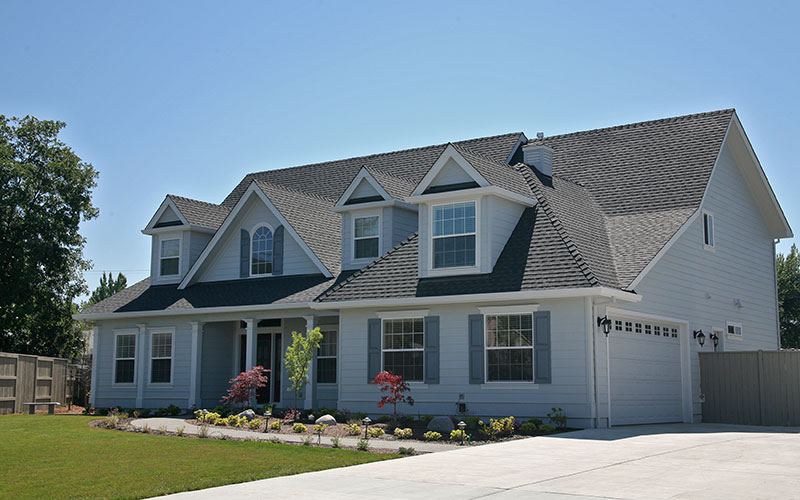
Most homeowners treat a second-story addition as a larger kitchen remodel: finalize the design, pull permits, and start construction. However, when considering a second story addition North County San Diego projects can come with unique challenges. That sequencing works for contained renovations. It fails when you add structural loads to a house that may not have been designed to carry them.
The issue isn’t awareness that structural work is involved. It’s recognizing that your existing foundation, framing, and concealed conditions determine what’s possible before design is ever “final.” Inspection gates control when work can proceed. Decision deadlines prevent expensive redesign. The retrofit scope determines whether building up makes financial sense.
This guide walks through the investigations that reveal what you’re actually working with, the milestone sequence that prevents rework, the structural retrofit categories that reshape your first floor and budget, and the inspection dependencies that govern the timeline. It also compares building up versus building out, using cost drivers and displacement realities rather than abstract pros and cons.
This is for North County San Diego homeowners planning additions in the $350,000-$750,000 range who want a controlled process rather than mid-project surprises.
Missy’s Field Note
Expert Tip from Missy Barbera, General Contractor
“Second-story additions feel like ‘adding upstairs,” but the real work is often downstairs, foundation capacity, shear-wall upgrades, and new beams/posts can force first-floor demolition and layout compromises you didn’t budget for. Assume the first floor gets touched unless engineering proves otherwise.”
When a Second Story Makes Sense (and When It Doesn’t)
Building up isn’t a design preference. It’s a constraint decision.
Lot coverage limits, setback restrictions, structural retrofit intensity, and displacement tolerance determine whether a second story delivers more usable space per dollar than a ground-floor addition or ADU.
Second Story vs Ground-Floor Addition vs ADU
Ground-floor additions work when you have yard space within setback limits and can phase construction to preserve basic occupancy. They typically avoid the structural retrofit intensity of adding load to an existing frame.
ADUs solve space needs without disturbing the main house but require separate utility coordination and don’t integrate into your primary layout.
Second stories make sense when:
- Lot coverage is already maxed
- Preserving yard space matters
- Views justify added complexity
In coastal North County, second stories that alter view corridors may trigger Coastal Commission review, adding months before local permits are issued.
Retrofit as the Deciding Factor
Homes built before 1970 often require significant first-floor work to support a second story, including new footings, additional beams and posts, shear walls, and diaphragm tie-ins.
If structural retrofitting consumes 30-40% of the total budget, ground-floor expansion or an ADU may provide more square footage at a similar cost.
Objective cost comparison only happens after structural verification, not before.
Preconstruction Investigations That Prevent Change Orders
Before engineering begins, verify what you actually have.
Original plans rarely match field conditions. Assumptions about joist sizes, foundation depth, or service capacity become change orders when exposed during construction.
Key investigations include:
- As-built measurement and selective exploratory openings
- Electrical service capacity confirmation
- Plumbing stack condition and routing feasibility
- Roof framing and load-bearing wall validation
- Foundation type and load path alignment
- Soil review where new footings or grade beams may be required
These steps cost thousands upfront but prevent tens of thousands in redesign and rework once framing is underway.
If you’re evaluating whether the structural complexity makes sense for your property, learn how whole-home structural planning is approached in North County.
The Decision Calendar: What Must Lock When
Second-story projects fail when design decisions arrive late.
Choices follow a dependency sequence. Miss the correct milestone and you trigger engineering revisions, permit resubmittals, or rough-in rework.
Before Engineering
Lock:
- Stair location and configuration
- Upstairs bathroom and laundry placement
- HVAC strategy (extension vs separate system)
- Primary beam and post landing zones
Stair location drives beam sizing and load transfer. Moving it after engineering is complete can add weeks and five-figure redesign costs.
Before Permit Submittal
Finalize:
- Window and door locations
- Roofline strategy
- Exterior material continuity
- Shear wall approach with your engineer
Changes after plan check approval require recalculations and resubmittal.
Before Rough-In
Confirm:
- Plumbing fixture specifications
- Lighting and switch locations
- HVAC register and return placement
Moving plumbing stacks or stair openings mid-construction creates cascading rework across framing, MEP, and inspection cycles.
If maximizing long-term value is a goal, align additional planning with the broader resale strategy principles outlined here.
Understanding the Structural Retrofit Menu
“Structural work” isn’t one item. It’s a set of interacting systems.
Foundation and Footings
If existing footings can’t support the new load, expect excavation, new concrete, and possible access to the first-floor slab.
Post-and-pier homes often require substantial new footing work.
Beams and Posts
Loads from the second floor are transferred to beams, then to posts, and finally to foundation elements.
These posts may end up in living spaces, disrupting the layout. Ceiling heights may drop where beams are integrated.
Shear Walls and Lateral Bracing
Adding a second story increases wind and seismic loads. Engineers specify shear panels, hold-down hardware, and foundation anchoring to comply with current code requirements.
This work often requires the selective demolition of the first floor.
Diaphragm Tie-Ins
Second-floor diaphragms must connect to first-floor framing to transfer lateral forces. This involves blocking and metal hardware installed before insulation and drywall.
Engineering cannot finalize these details without accurate as-built verification.
The Permit-to-CO Inspection Sequence
Permits don’t mean uninterrupted construction. Inspections are stop/go gates.
Typical sequence:
- Demolition (if structural elements removed)
- Foundation or footing
- Framing and shear
- Rough plumbing, electrical, and mechanical
- Insulation and fireblocking
- Final inspection
Framing inspection is the most consequential gate. Nothing progresses to rough systems until structural elements pass.
Expect 2-3 re-inspection cycles across the full project. Corrections may take days. Scheduling re-inspection can add another week, depending on the jurisdiction’s workload.
Before any of this, the plan check itself often requires multiple correction cycles, adding weeks before construction begins.
Living Logistics: Move Out or Stay?
Second-story additions are among the most disruptive residential projects.
Move-Out Triggers
- Roof removal lasting more than several days
- All bathrooms offline
- Stair openings cutting through occupied space
- HVAC shutdown during extreme temperatures
These are safety and habitability thresholds, not convenience issues.
Phased Occupancy Requirements
If staying, you’ll need:
- Full dust containment systems
- Physical safety separation
- Maintained bathroom access
- Dedicated entry and exit paths
Even with containment, noise, dust migration, parking loss, and utility shutdowns are baseline conditions.
Temporary housing for 6–9 months can add $15,000-$35,000 to your effective budget and must be included in comparisons.
Cost Anatomy and Variance Drivers
Second-story additions typically distribute costs as follows:
- Design and engineering: 8–12%
- Structural retrofit and demolition: 15–25%
- Framing and exterior envelope: 20–30%
- MEP rework: 15–20%
- Stairs: 5–8%
- Interior finishes: 20–25%
- Contingency: 10–15%
High-variance items include:
- Structural retrofit intensity
- Stair complexity
- Roofline transitions
- HVAC strategy
- Exterior material matching
Partial second-story additions often cost more per square foot than full additions because engineering, permitting, and inspection complexity do not scale down proportionally.
A 400 SF partial addition still carries most of the structural and regulatory burden of a larger project.
Final Thoughts
Second-story additions succeed when:
- Structural realities are verified before engineering
- Decision milestones are respected
- Inspection gates are anticipated
- Retrofit scope is understood before committing
Projects fail when design evolves after engineering locks or when concealed conditions surface mid-framing.
In North County, add coastal overlays, hillside soil conditions, and jurisdiction-specific review timelines to your planning calendar.
Controlled sequencing, not optimism, determines whether your timeline and budget survive the realities of construction.
Frequently Asked Questions
Can I add a second story on a slab foundation?
Often yes, but slab thickness, reinforcement, and soil capacity determine whether thickened edges or new grade beams are required. Older slabs frequently need structural augmentation.
What if I don’t have room for stairs?
Stairs require minimum width and landing dimensions. If no compliant location exists, load-bearing walls, beams, and posts must be added without removing any load-bearing walls. The stair location must be locked before structural engineering.
Can my existing HVAC serve the new space?
Usually not without performance compromise. A load calculation determines whether extension is viable or a separate zoned system is required.
How long does plan check take?
Typically, 6-10 weeks for initial review in North County. Each correction cycle adds 2–4 weeks. Coastal review can add several months.
What happens if the framing inspection fails?
Work stops. Corrections are made. Re-inspection is scheduled. Each cycle adds several days to over a week, depending on availability.
Do I always need a new roof structure?
Not always, but homes built before 1980 frequently require reinforcement or full replacement to meet load and code requirements.
How do I compare bids accurately?
Ensure all bids reflect identical structural assumptions, fixture grades, stair types, HVAC strategy, and exterior materials. Undefined allowances create misleading comparisons.
If you’re planning a second-story addition in North County, structure the process before committing to the build. Engineering, permitting, retrofit scope, and inspection sequencing, not just square footage, determine whether building up delivers value.