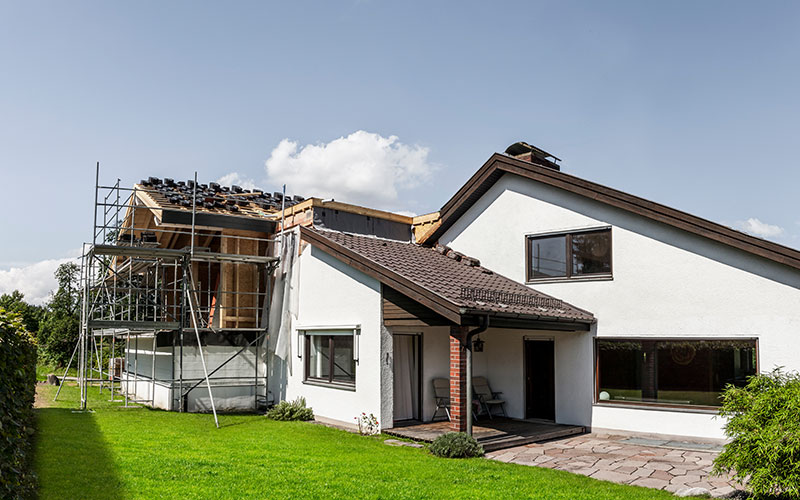
Is It Cheaper to Build Up or Out?
Most homeowners frame the up-versus-out question as a cost-per-square-foot comparison. When you start planning residential home additions,...
Solana Beach’s commercial inventory is concentrated along Cedros Avenue, Lomas Santa Fe Drive, and scattered mixed-use corridors where building stock ranges from 1970s-era retail shells to more recent professional office suites, many carrying aging electrical panels, undersized HVAC capacity, and landlord-imposed finish standards that require careful pre-construction review. City of Solana Beach permitting operates through a relatively compact municipal structure, which can compress review windows but also rewards contractors who submit complete, well-coordinated packages from the start.
Skyhorse typically engages at lease execution or shortly before, conducting feasibility reviews that surface infrastructure constraints, occupancy classification requirements, and landlord approval conditions before design is finalized. Our pre-construction process aligns permit submissions, trade coordination, and material procurement so field execution moves without preventable stoppages, protecting both lease commencement dates and client budgets.
Skyhorse Construction provides general contractor services throughout North County San Diego, including Encinitas, Carlsbad, Solana Beach, Del Mar, Rancho Santa Fe, and Oceanside.
Skyhorse Construction
Solana Beach, CA
Tenant improvements require disciplined coordination between landlords, design teams, inspectors, and trades. We manage these elements as a unified scope, sequencing work carefully to meet inspection requirements and operational deadlines.
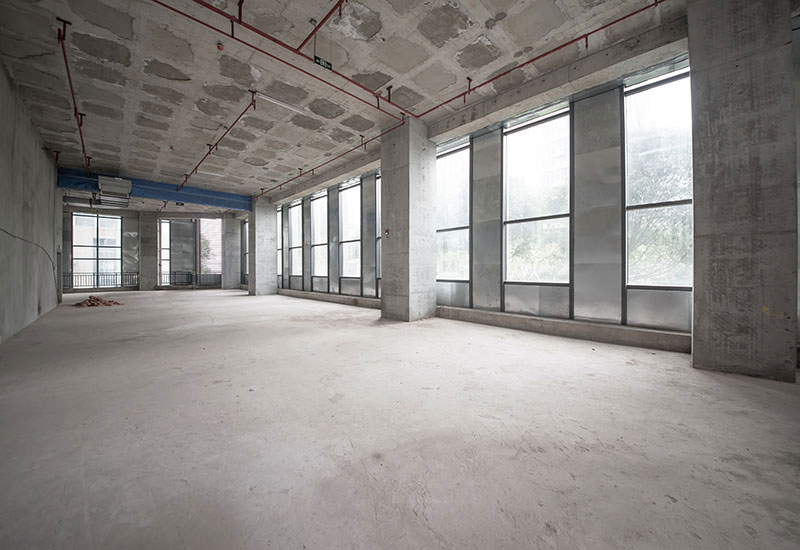
Before construction begins, we review lease requirements, occupancy classifications, utility capacity, and code constraints. Early evaluation reduces redesign risk and ensures the proposed build-out aligns with both municipal and landlord conditions.
Tenant improvements often involve reworking existing layouts. We coordinate demolition, structural modifications, and framing adjustments to support the new operational plan.
MEP systems must integrate with both the base building and the tenant’s operational needs. We align rough-ins, inspections, and system testing to prevent conflicts between trades and avoid inspection delays.
From flooring and ceiling systems to specialty installations, finish sequencing is critical. We coordinate material lead times and installation order to support timely occupancy and regulatory compliance.
Tenant improvements are executed through a structured, phase-based process designed to maintain inspection sequencing, lease compliance, and schedule control.
We begin by reviewing plans, confirming occupancy classifications, aligning scope with lease terms, and preparing permit submissions. Early coordination clarifies regulatory requirements before field work begins.
Before construction progresses, we coordinate engineers, inspectors, landlords, and key trades. Submittals, material lead times, and inspection gates are aligned to reduce delay risk.
Framing, MEP rough-ins, fire protection systems, and finishes are sequenced deliberately. Consistent on-site oversight ensures inspections are passed and work remains aligned with approved plans.
We complete punch lists, coordinate final inspections, and finalize documentation so the space is delivered cleanly and ready for occupancy without unresolved compliance issues.
Planning a tenant improvement involves early decisions that affect permitting timelines, lease compliance, infrastructure capacity, and operational readiness. These resources are designed to help business owners understand constraints, prepare for inspection sequencing, and make informed decisions before construction begins.
Most homeowners frame the up-versus-out question as a cost-per-square-foot comparison. When you start planning residential home additions,...
Most business owners underestimate how much of the timeline sits outside the build phase. Understanding the different...
A tenant improvement allowance (TIA, sometimes TI allowance) is money a commercial landlord agrees to contribute toward...
Skyhorse brings sustained, direct site presence to every tenant improvement, meaning inspections are prepared for, trade sequencing is actively managed, and lease compliance conditions are tracked from permit submission through final sign-off. Landlord coordination, submittal management, and inspector communication run through a single point of accountability rather than being distributed across disconnected parties.
Solana Beach’s commercial corridors attract wellness studios, boutique retail, design-oriented professional offices, and food and beverage operators, each carrying distinct occupancy, plumbing, and ventilation requirements that older building infrastructure frequently cannot meet without planned upgrades. Skyhorse understands how to scope those infrastructure gaps accurately, negotiate landlord approval conditions efficiently, and execute build-outs that open on time without compliance surprises at final inspection.
Cost is influenced by layout changes, infrastructure upgrades, fire protection requirements, finish selections, and inspection complexity. Projects requiring electrical service upgrades, plumbing modifications, or specialty systems require detailed pre-construction evaluation to establish an accurate budget.
Timelines depend on permitting review cycles, inspection sequencing, material lead times, and project scope. During pre-construction, we establish a realistic schedule aligned with jurisdictional requirements and lease deadlines.
Yes. We work directly with landlords, architects, engineers, and inspectors to ensure the build-out aligns with lease terms, approved plans, and municipal requirements.
Most commercial tenant improvements require permits and inspection approvals. We manage permit submission, inspection scheduling, and compliance from initial planning through final sign-off.
Engaging a contractor early helps identify infrastructure constraints, code requirements, and schedule risks before plans are finalized. Early coordination improves predictability and supports timely occupancy.